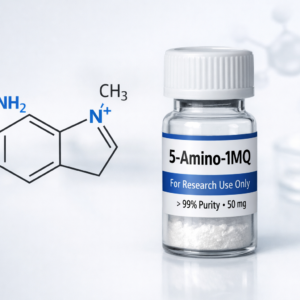
 5-Amino-1MQ
$265.00

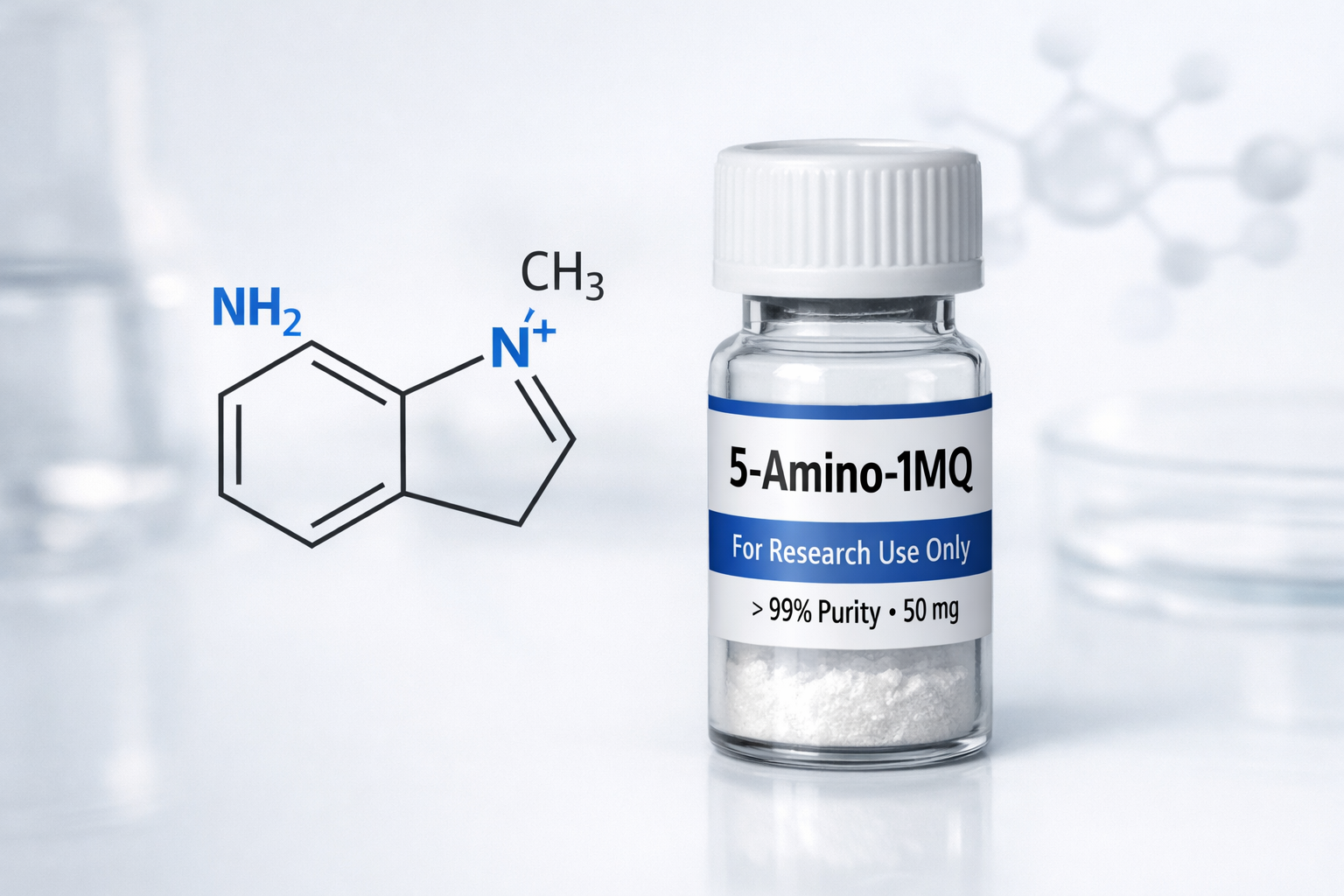
5-Amino-1-methylquinolinium (5-Amino-1MQ) is a selective NNMT inhibitor under preclinical investigation for metabolic health and weight management. By targeting cellular energy pathways, it supports NAD+ levels, enhances fat metabolism, and promotes energy expenditure. Research shows promising results in animal studies, though it is not FDA-approved for human use.
$265.00
5-Amino-1-methylquinolinium (5-Amino-1MQ) is a small molecule compound currently under investigation for its potential role in metabolic health and weight management. As a selective inhibitor of the enzyme nicotinamide N-methyltransferase (NNMT), this compound represents an innovative approach to addressing metabolic dysfunction by targeting cellular energy pathways at their source.
Unlike traditional weight loss interventions that primarily focus on caloric restriction or appetite suppression, 5-Amino-1MQ works at the cellular level to influence how the body produces and utilizes energy. This compound has garnered significant attention in both research and clinical communities for its unique mechanism of action and promising preclinical results.
Targeting NNMT
NNMT is an enzyme found primarily in fat tissue and liver that methylates nicotinamide (vitamin B3) using S-adenosyl-methionine (SAM), producing methylnicotinamide (MNAM). Research shows NNMT expression increases with age and obesity, contributing to reduced cellular energy, increased fat accumulation, and impaired glucose metabolism.
5-Amino-1MQ acts as a nicotinamide analog, competitively binding to NNMT’s active site and blocking its activity without affecting other metabolic enzymes.
The NAD+ Connection
NAD+ (nicotinamide adenine dinucleotide) is a coenzyme essential for:
When NNMT methylates nicotinamide, it depletes the substrate needed for NAD+ synthesis via the salvage pathway (~85% of NAD+ production). Lower NAD+ leads to reduced energy expenditure, impaired fat oxidation, and metabolic dysfunction.
By inhibiting NNMT, 5-Amino-1MQ preserves nicotinamide availability, supporting optimal NAD+ levels and the metabolic processes depending on it.
Cellular Effects of 5-Amino-1MQ:
A landmark 2018 study in Biochemical Pharmacology demonstrated that mice with diet-induced obesity treated with 5-Amino-1MQ showed:
The compound demonstrated high selectivity for NNMT, excellent cell membrane permeability, and did not inhibit other methyltransferases or NAD+ pathway enzymes.
Mechanism Confirmation:
Current Research Status:
Potential Applications Being Studied:
Important Considerations:
Primary Research Study
Comprehensive Review
Disclaimer: This content is for educational purposes only and does not constitute medical advice. 5-Amino-1MQ is not approved for human use.
Javelin Sciences Adds the World’s First Topical KLOW80 Peptide Formula to Research Offerings Knoxville News Sentinel
Javelin Sciences Adds the World’s First Topical KLOW80 Peptide Formula to Research Offerings Columbia Daily Tribune
Fungal Peptide Boosts Intestinal Repair in Mice Bioengineer.org
Added to cart
Check out our shop to see what's available
5-Amino-1MQ